
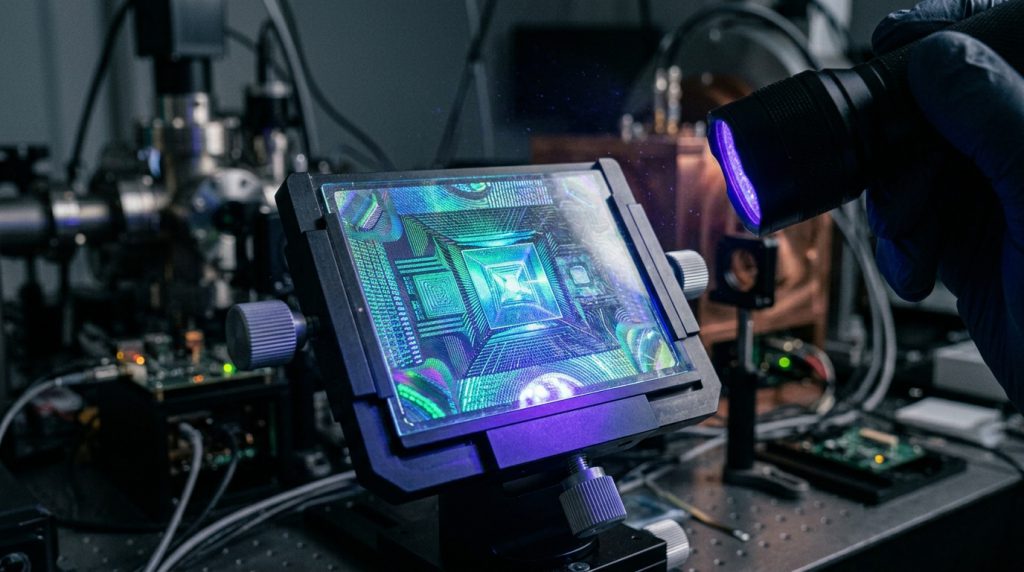
Holoflex, a leading provider of holographic security solutions, is doubling down on its manufacturing capacity. The company announced a Rs 30 crore investment in a second production plant, aiming to boost output and capture growing demand for anti-counterfeit packaging and brand authentication.
This expansion comes as Holoflex sets an ambitious revenue target of Rs 135 crore within two years — a significant leap from its current figures. The move signals confidence in the holography market, which has expanded rapidly as companies across pharmaceuticals, consumer electronics, and luxury goods seek robust ways to protect their brands from counterfeiting.
Why Holography Matters in Brand Protection
Counterfeit goods cost the global economy hundreds of billions of dollars every year. From fake medicines to bogus auto parts, fake products erode consumer trust and damage brand reputations. Holograms have long been a frontline defence because they are difficult to replicate without specialised equipment and expertise.
Holoflex specialises in custom holographic labels, tamper-evident seals, and optically variable devices that can be integrated into product packaging. These solutions let consumers and supply chain partners quickly verify authenticity — often with just a glance.
The company’s technology isn’t limited to simple rainbow images. Modern holograms can include hidden text, microtext, nanotext, and even digital codes that interact with smartphones. This makes them a versatile tool for both visual and digital verification.
Details of the New Plant
The second plant will be built in the same industrial region as Holoflex’s existing facility, allowing the company to leverage its established supply chain and skilled workforce. The Rs 30 crore investment covers land, building, and state-of-the-art holographic mastering and embossing equipment.
According to company statements, the new plant will increase production capacity by roughly 70%, enabling faster turnaround for large orders and reducing lead times for customers across India and export markets. The facility is expected to create around 200 new direct jobs, with indirect employment opportunities in logistics and raw material supply.
Holoflex management expects the plant to be operational within 12 months, subject to regulatory approvals and construction timelines.
Revenue Target: Rs 135 Crore in Two Years
The Rs 135 crore revenue target represents more than a doubling of the company’s current annual turnover. To achieve this, Holoflex plans to expand its product portfolio beyond traditional holograms into integrated digital authentication solutions.
One growth area is combining holograms with QR codes or RFID tags, creating multi-layer security that is hard for counterfeiters to reproduce. Another is serving the fast-growing direct-to-consumer (D2C) segment, where small and mid-sized brands need affordable anti-counterfeit labels for their premium products.
Holoflex also aims to increase exports, especially to Southeast Asia and the Middle East, where demand for brand protection is rising due to stricter regulations on pharmaceuticals and cosmetics.
Industry Context: Security Printing on the Rise
Holography is part of a broader security printing industry that has seen steady growth. According to market research, the global security printing market was valued at over $30 billion in 2025 and is projected to grow at a compound annual rate of 5-7% through 2030.
Key drivers include stricter government mandates for authentication labels on drugs and medical devices, increased consumer awareness of fakes, and the need for traceability in complex supply chains. Holograms remain one of the most cost-effective visible authentication tools, especially for high-volume consumer goods.
India, in particular, has become a hub for holographic production. Several domestic players like Holoflex have invested in advanced mastering capabilities, reducing dependence on imports from Europe and Japan. The country’s large base of pharmaceutical and FMCG manufacturers provides a steady demand base.
Challenges and Competition
Despite the optimistic outlook, Holoflex faces several challenges. Counterfeiters are becoming more sophisticated, and some can produce passable fake holograms using readily available foil stamping equipment. This pushes legitimate companies to constantly innovate, adding layers of complexity and cost.
Competition in India remains intense. There are at least a dozen organised players and many smaller unorganised operators. Margins in basic holographic labels are thin, so differentiation through technology and service is critical.
Holoflex hopes its second plant will allow it to offer competitive pricing while maintaining high quality, and to experiment with new materials like biodegradable holographic foils that appeal to eco-conscious brands.
What This Means for Brand Owners
For brand owners, Holoflex’s expansion is a positive signal. More capacity means shorter wait times, lower costs, and potentially more advanced security features. Companies that rely on holographic labels for authentication can expect improved supply consistency.
Additionally, as Holoflex integrates digital elements, brand owners gain the ability to track products through the supply chain, gather consumer engagement data, and enable direct communication with customers via scannable codes embedded in holograms.
Looking Ahead
Holoflex’s Rs 30 crore bet on a second plant is a vote of confidence in the long-term value of physical authentication. While digital solutions like blockchain tracking have gained attention, holograms remain an everyday, instant, and low-cost tool for fighting fakes.
The company’s revenue target of Rs 135 crore in two years is ambitious but not unrealistic, given market trends and the company’s existing customer base. If Holoflex executes well on its expansion and product roadmap, it could solidify its position as a leading player in India’s security printing space.
For now, the investment shows that even in a world of digital everything, sometimes the best way to protect a product is to make it shine — literally.
