
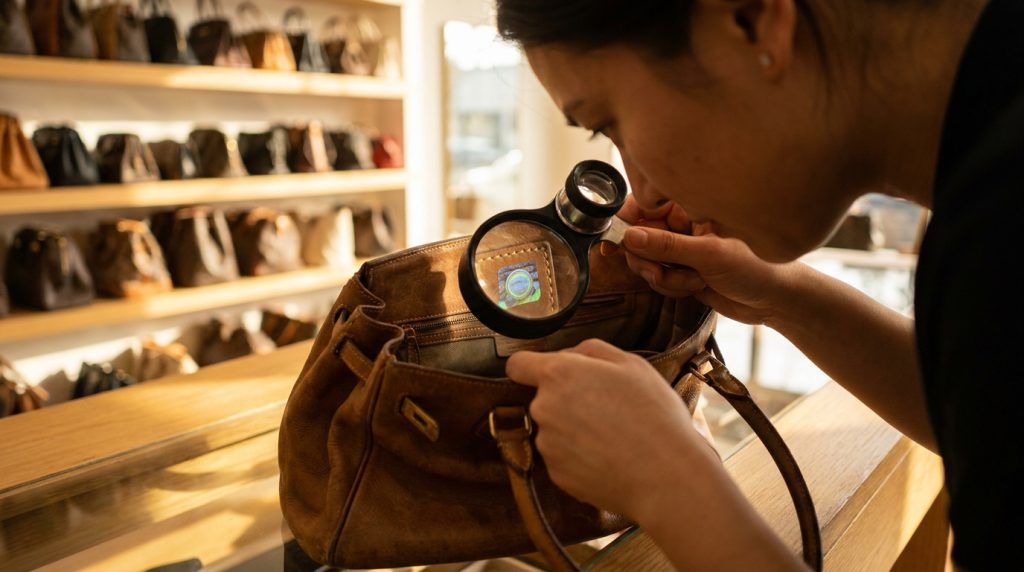
In recent years, counterfeit products have increasingly infiltrated the Chinese market, raising alarms among consumers who find it challenging to discern genuine items from fakes. According to recent reports, there has been a notable surge in counterfeit goods that mimic the appearance and branding of authentic products, making them particularly difficult to detect.
Growing Concern Over Counterfeiting
Consumers across China are becoming more aware of the risks associated with purchasing fake goods. High-profile cases of counterfeit luxury items, electronics, and even food products have come to the forefront, leading many to question the reliability of their usual shopping venues. This heightened awareness is a critical step towards combating the proliferation of counterfeit items.
Experts warn that not only do counterfeit goods impact brand reputation, but they also pose serious safety risks, especially in categories like food and pharmaceuticals. Reports suggest that counterfeit medications can result in severe health consequences, as consumers may unknowingly purchase ineffective or dangerous substitutes.
The Challenge of Detection
Detecting counterfeit products remains one of the most significant challenges facing consumers. As technology advances, counterfeiters are employing more sophisticated methods and materials in an attempt to replicate genuine articles convincingly. This makes it even more difficult for consumers to distinguish between authentic and fake items, leaving many vulnerable to deception.
What Consumers Can Do
The rise in counterfeit goods has prompted calls for greater consumer education. Individuals are encouraged to:
- Educate themselves about the specific features of genuine products.
- Purchase from reputable sellers and verified brands.
- Report any suspicious products or sellers to authorities.
By arming themselves with knowledge, consumers can take proactive steps to protect themselves from purchasing counterfeit goods.
Legal Measures and Industry Responses
In addition to consumer vigilance, companies and governments are stepping up efforts to tackle the issue of counterfeiting. Many brands are implementing security features such as holograms, and unique serial numbers, and advanced tracking technologies to help authenticate products. Meanwhile, law enforcement agencies are increasing inspections and penalties for manufacturers and vendors found selling counterfeit goods.
Through collaboration between consumers, businesses, and government entities, significant strides can be made in combatting the counterfeit threat. As scams become more sophisticated, so too must the strategies for detection and prevention.
In this ongoing battle against counterfeit goods, it is clear that collective vigilance and informed purchasing decisions are essential in safeguarding both consumers and legitimate businesses alike.
