
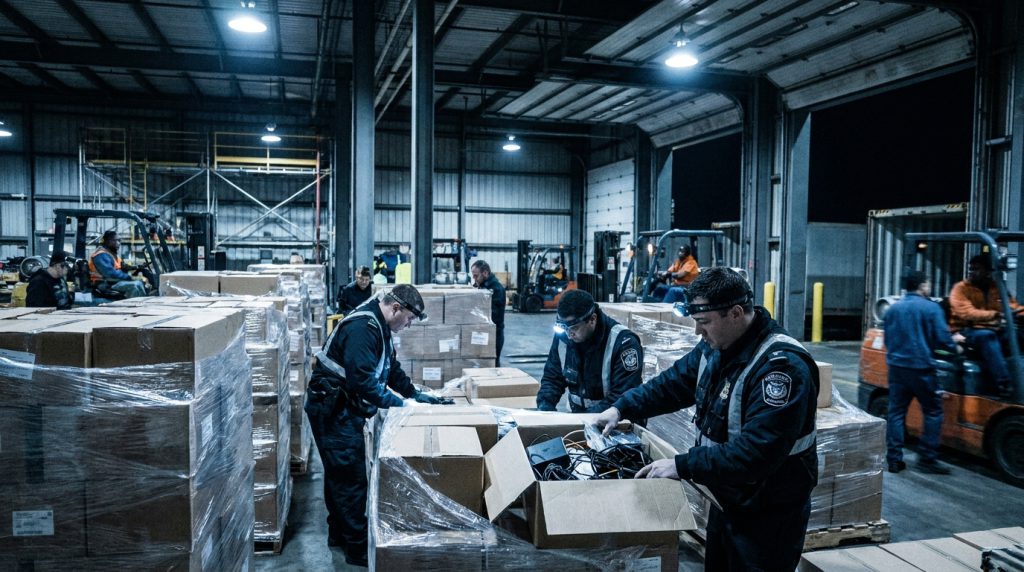
India has stepped up its fight against counterfeit goods in a significant way over the past few months. Authorities conducted extensive raids across various cities, leading to the seizure of counterfeit products valued at millions of dollars. This bold initiative sheds light on the ongoing challenges and strategies in the nation’s anti-counterfeiting landscape.
Scale of the Issue
Counterfeiting is a global issue, but its effects are profoundly felt in India, where consumers and businesses alike have suffered from the infiltration of fake products. The recent crackdown is a concerted effort to address the gravity of this situation. With counterfeit goods often hiding within the supply chains of legitimate products, the problem has required a robust response from law enforcement.
Recent Operational Highlights
In a series of organized operations, law enforcement agencies targeted hotspots in major cities, revealing the scale of counterfeit operations. Some of the noteworthy findings included:
- Large quantities of fake electronics and luxury items.
- Fake pharmaceuticals that pose a severe threat to public health.
- Counterfeit apparel and accessories that deceive consumers.
The ramifications of these findings extend beyond mere financial losses; they raise concerns about consumer safety and brand integrity.
Implications for Businesses
For legitimate companies, counterfeiting undermines brand value and erodes customer trust. Businesses must invest in robust tracking and verification systems to ensure their products are authentic. The recent raids serve as a reminder of the importance of vigilance in protecting one’s brand from the shadowy world of counterfeit goods.
Strengthening Anti-Counterfeiting Measures
To counter the rise of counterfeit products, companies are adopting advanced strategies. These include:
- Implementing more secure packaging and labeling.
- Leveraging technology like blockchain for product tracking, ensuring traceability from manufacturer to consumer.
- Collaborating with governmental and private sector initiatives aimed at combating counterfeiting.
Such measures not only fortify brands against counterfeit threats but also cultivate a safer marketplace for consumers.
Public Awareness and Education
Public awareness plays a vital role in combating counterfeiting. Consumers need to be informed about the risks associated with purchasing counterfeit products. As part of this ongoing effort, educational campaigns are crucial. They help shoppers recognize legitimate products and understand the potential hazards of counterfeit alternatives.
Conclusion
India’s recent enforcement actions against counterfeit goods highlight an essential battle against fraud in the market. As raids continue to uncover previously hidden counterfeit networks, the landscape of anti-counterfeiting is evolving. Stakeholders must adapt to these challenges through enhanced security measures and public engagement to safeguard their assets and maintain consumer trust.
